Most businesses don’t set out to have a disconnected digital presence. It happens gradually. A web designer builds the site. A photographer shoots some images a year later. Someone else runs social media. A different person looks after Google. Each part might be good on its own, but they stop pulling in the same direction.
This article looks at where things usually break between suppliers, and what joining them up looks like in practice, with examples from real projects.
Where things break
The website is designed before the content exists
A layout built around placeholder images rarely suits the photography that arrives later. Pages end up with crops that don’t work, or images chosen to fill space rather than to tell the story.
Content is shot without knowing where it will live
A shoot planned without the website in mind often produces beautiful material in the wrong shapes: landscape images where the site needs portrait, or video without the short edits social channels need.
The brand drifts
Different suppliers interpret the brand differently. Colours shift, fonts get substituted, and the business starts to look like several different companies.
Enquiries fall between the gaps
Social posts send people to pages that don’t answer their question. Forms go to an inbox no one checks. Booking links break after a system update. Each supplier assumes another one is responsible.
Search is treated as an add-on
SEO is bolted on after launch instead of shaping the structure, so service pages don’t match what people actually search for.
What joined up looks like
Plan the content and the website together
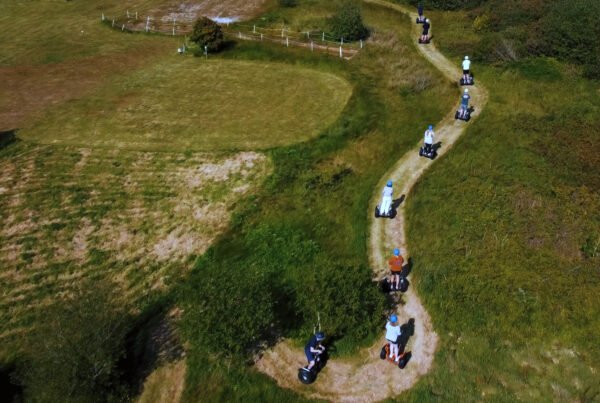
On the Cornwall Segway project, one production day was planned around what the website, the hero film and social channels each needed. The same day produced the film, short social edits, 4K stills and aerial footage, and the website was designed around that material.
Build the brand into everything at once
For Zodiac Interiors, the refreshed identity and the new website were developed together, so the brand was applied consistently from the start rather than retrofitted.
Follow the customer’s route, not the supplier’s boundaries
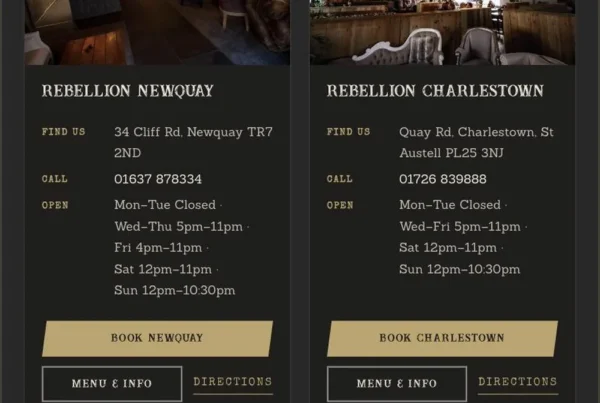
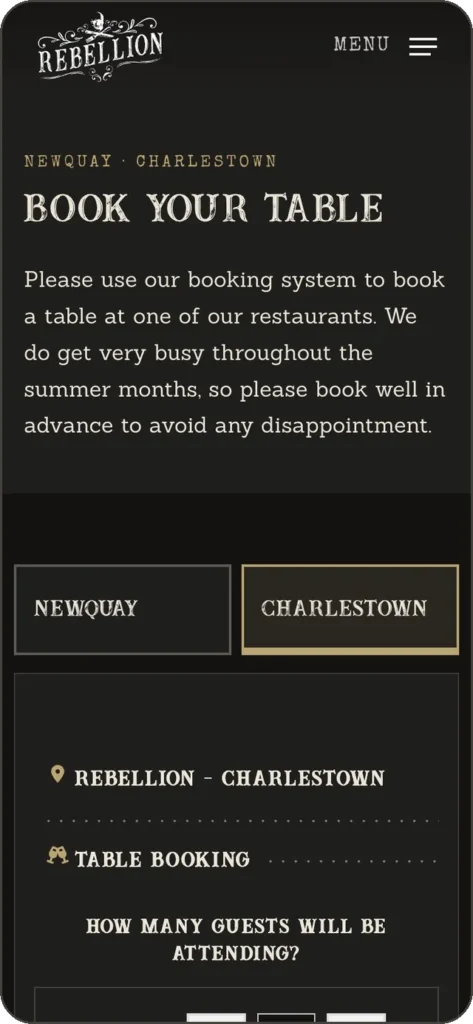
On Rebellion Roast House, the important journey runs from a social post or search result to a venue page, then to the right booking route for Newquay or Charlestown. The website, the content and the booking integration were treated as one route rather than three separate jobs.
Make search part of the structure
On Sands Physiotherapy, consistent location details, Google Business Profile and on-page foundations were handled alongside the website, so the search work and the site supported each other.
How to join things up without starting again
- Map the journey. Write down how a customer finds you, what they look at and how they get in touch. Note every point where it relies on a different supplier.
- Check the handovers. Test every form, booking link and phone number. Send yourself an enquiry.
- Put the brand in one place. Make sure every supplier works from the same logo files, colours and guidelines.
- Plan content around where it will be used. List the website pages and channels before any shoot.
- Give one person oversight. Even if several suppliers are involved, someone needs to see the whole picture.
Why one point of oversight matters
You don’t need one supplier for everything. You do need someone who understands how the parts connect, which is the role XPY plays for most clients: building the website, producing content and keeping the brand and search foundations consistent, with other specialists brought in where a project needs them.
If your website, content and marketing feel like separate things, have a look at the work or read about working with XPY as an outsourced creative partner. When you’re ready, start a project. A short description of where things stand is enough.