Most business owners can tell when their website isn’t right. What’s harder is knowing what kind of fix it needs. Sometimes a refresh is enough. Sometimes the only sensible answer is to rebuild. And sometimes the honest answer is to leave the website alone and spend the money somewhere else.
Here’s how I think about that decision, using a recent example: the rebuild of a restaurant website I originally built myself.
Refresh or rebuild: what’s the difference?
A refresh improves what people see and read on top of the existing foundations: new photography, clearer copy, a few redesigned sections, perhaps some new pages. The theme, the structure and the way the site is built stay broadly the same.
A rebuild replaces those foundations. That usually means a current theme and page builder, a structure redesigned around how the business works today, and a fresh look at the journeys customers actually take. It costs more, but it resets the clock.
Signs a refresh is probably enough
The platform is current. WordPress, the theme and the plugins update without drama, and nothing breaks when they do.
The structure still fits. The pages and menus still match how customers find and choose what you offer. The problems are mainly presentation or out-of-date content.
You can make changes yourself. Updating prices, opening hours or a menu doesn’t mean calling someone or editing five different pages.
If all three are true, a focused refresh will usually do more for the money than starting again.
Signs it’s time to rebuild
The foundations have fallen behind. The theme or page builder is several major versions out of date, and some components can’t be updated without something else breaking.
You’re paying for repairs rather than progress. Every month there’s another fix, and none of them makes the website better, only less broken.
The way customers use the site has changed. Booking, buying or enquiring has become far more important than when the site was built, and the site wasn’t designed around it.
The business has outgrown the structure. New locations, services or product ranges are being squeezed into a layout that was never meant to hold them.
A real example: Rebellion Roast House
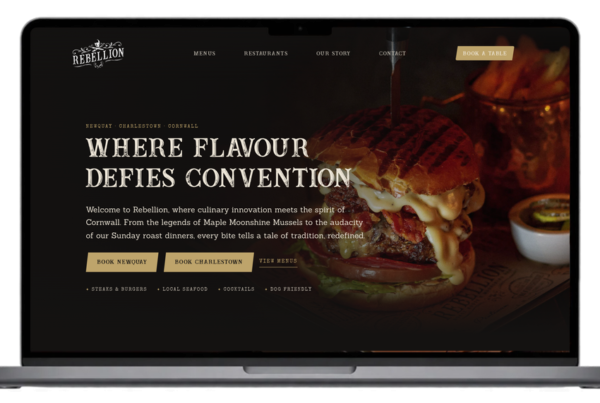
I built Rebellion’s original website, and it served the restaurant group well for years. By 2026, though, the theme and page builder were several major versions behind, and older components were becoming harder to keep compatible with current WordPress. The homepage slider was the clearest sign, eventually no longer displaying as it should.
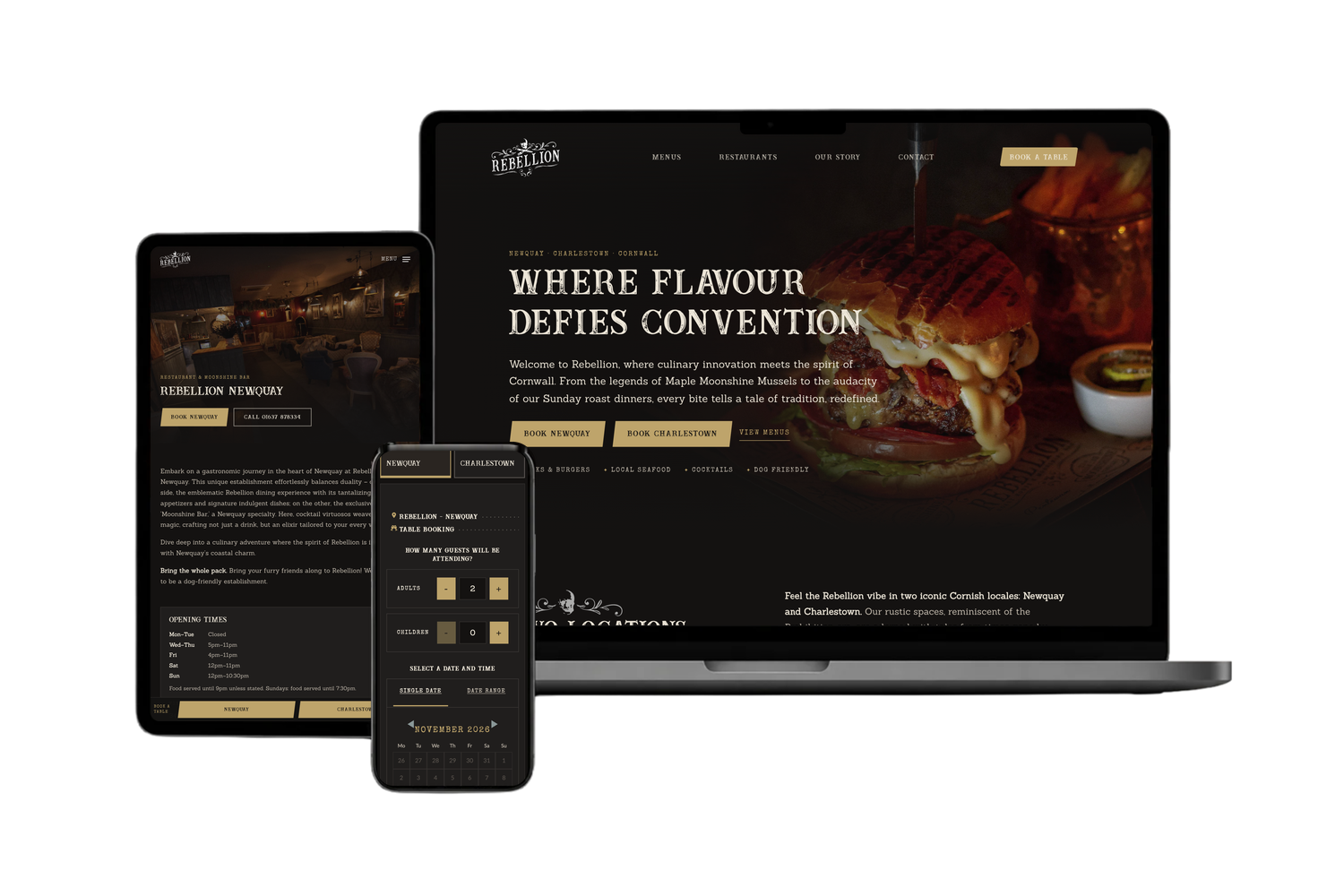
At the same time, the way people used the site had shifted. Online booking had become central, and on a phone the route to a reservation sat behind the menu: open it, choose Book a Table, then pick a restaurant, even if you’d just been reading about that restaurant.
A detailed technical review set out the choice. Rebellion could keep patching an ageing build, or start again on current foundations. They chose a complete overhaul.
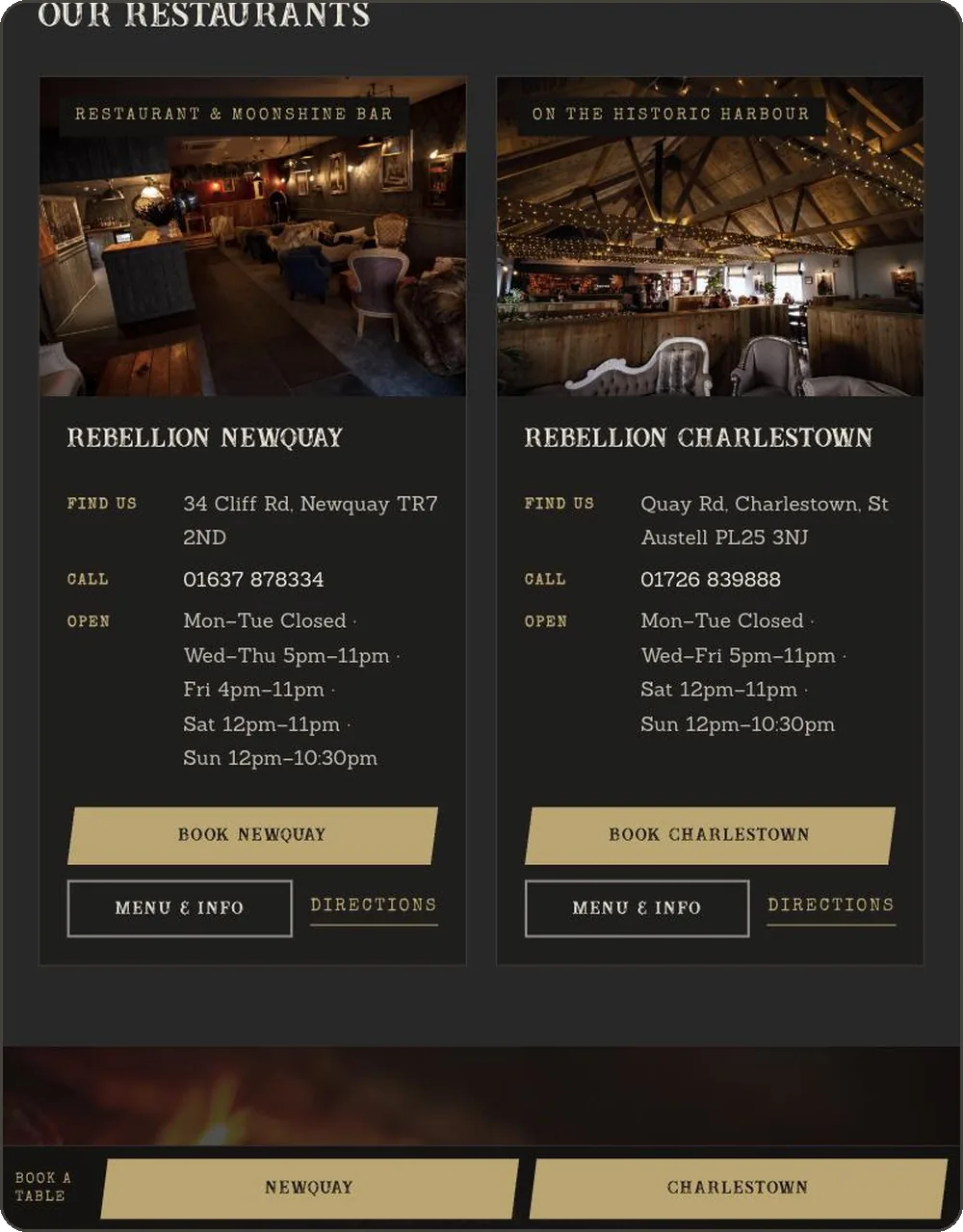
The rebuild kept everything that made Rebellion recognisable: the logo, the distinctive type and the real food photography. What changed was the structure underneath: a page for each restaurant, a booking bar that stays in reach on phones and tablets, booking links that open on the right venue, and menus and opening hours managed from one settings screen. You can read the full story in the Rebellion Roast House case study.
The point is that the decision to rebuild wasn’t about how the old site looked. It was about two things that a refresh couldn’t fix: ageing foundations, and a customer journey that had changed.
A different reason to rebuild
Zodiac Interiors, a long-established made-to-measure interiors business in Cornwall, rebuilt for a different reason. Their website was outdated and no longer reflected how customers actually choose blinds, shutters, curtains and awnings. The new site was organised around the product range, with brochure downloads and clear routes to book a measure or get in touch by form or WhatsApp. Here, the trigger was the gap between the website and the sales process.
When the answer is neither
It’s worth saying plainly: sometimes the website isn’t the problem. If you have no recent photography, the best redesign in the world will still look thin. If enquiries arrive but nobody follows them up quickly, a new website won’t change that. And if nobody can find you in search, the fix may be content and visibility rather than design.
In those cases, spending on the website first is the wrong order. Content, visibility or better enquiry handling might move things on faster.
Five questions to help you decide
- When did WordPress, the theme and the plugins last update cleanly? If you don’t know, or the answer is “we don’t dare”, that’s a foundations problem.
- Can you change the things you need to change yourself? Hours, prices, menus, team, products.
- Does the structure match how customers choose and buy today? Think about locations, services and the main action you want people to take.
- How does that main action work on a phone? Try it yourself, from the homepage, with one thumb.
- Is the problem the website, or what goes on it? Content, photography and follow-up are often the real gap.
If questions one to three point to problems, you’re probably looking at a rebuild. If the issues sit mainly in four and five, a refresh, or work outside the website, is likely to be better value.
Not sure which side of the line you’re on?
That’s a normal place to be. If you tell me what’s going on with your website and your business, I’ll give you an honest view, including when the answer is to leave it alone. You can start a project, get in touch with a quick question, or see how website projects work on the web design page.